Speakers are an essential component of any home or office audio system. They are the devices that convert electrical signals into sound waves, allowing you to enjoy your favorite music, movies, and other audio content. With so many types and models available in the market, choosing the best speakers for your specific needs can be overwhelming https://binoclu.com/. In this article, we'll discuss some important factors to consider when selecting speakers for your home or office audio system.
Type of Speakers
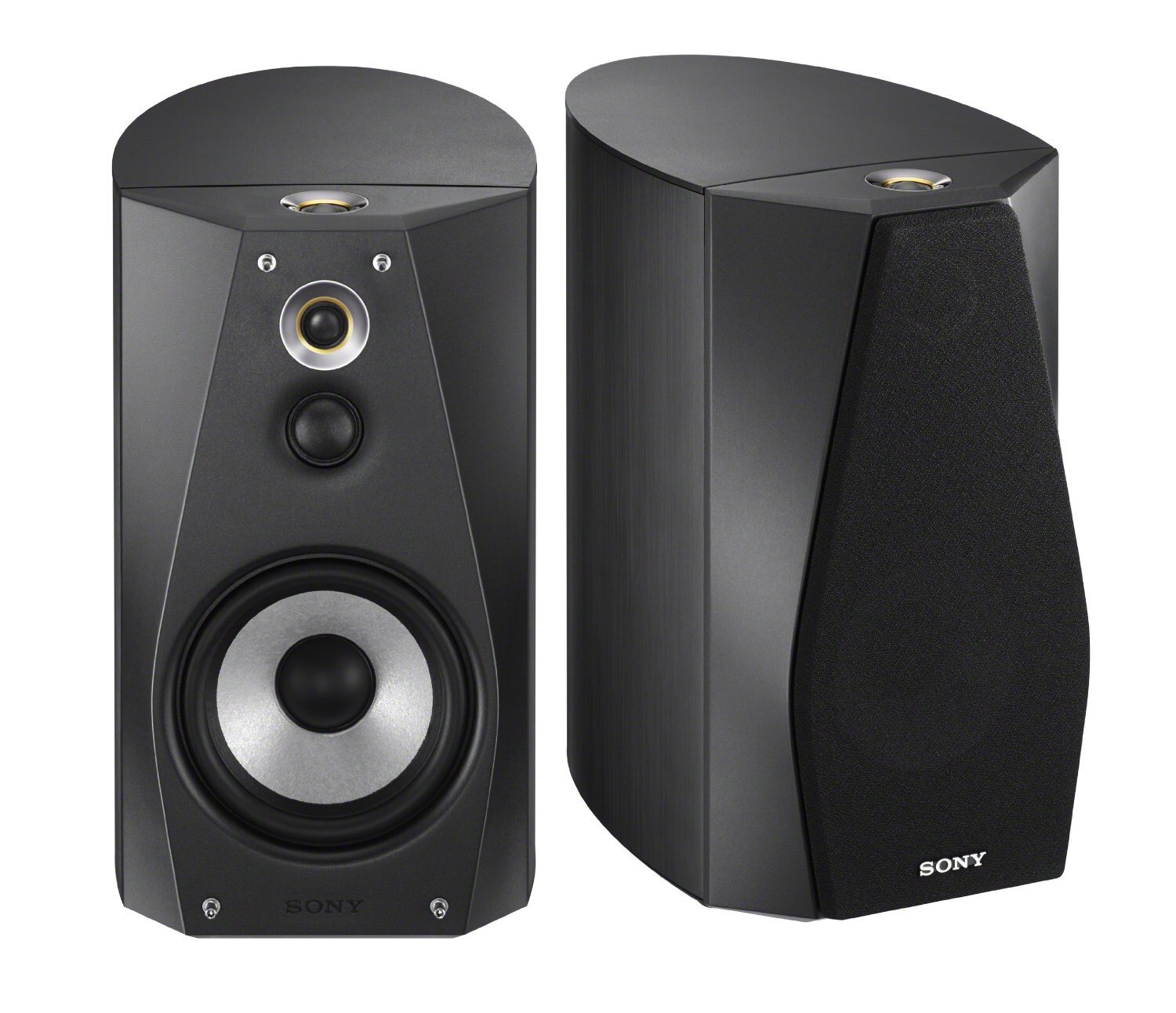
The first factor to consider is the type of speakers you want to purchase. There are many different types of speakers, including bookshelf speakers, tower speakers, soundbars, and in-ceiling speakers. Each type has its own advantages and disadvantages, depending on your specific needs. Bookshelf speakers, for example, are small and compact and are great for small rooms or tight spaces. Tower speakers, on the other hand, are larger and more powerful and are ideal for larger rooms or home theaters.
Size of Room
Another important factor to consider when choosing speakers is the size of the room where they will be placed. Larger rooms require larger and more powerful speakers to fill the space with sound. Conversely, smaller rooms can benefit from smaller and more compact speakers. Consider the size of your room and choose speakers that can deliver the appropriate sound level and quality.
Speaker Sensitivity
Speaker sensitivity refers to how loud the speakers can get with a given amount of power. A speaker with high sensitivity can produce more volume with less power, while a speaker with low sensitivity requires more power to produce the same volume https://soundchoose.com/. If you have a low-powered amplifier or receiver, choose speakers with high sensitivity to ensure optimal performance.
Impedance
Impedance refers to the amount of electrical resistance that a speaker presents to an amplifier. Most speakers have an impedance of either 4 or 8 ohms. Make sure that the speakers you choose match the impedance of your amplifier or receiver to prevent damage to either component.
Frequency Response
Frequency response is the range of frequencies that a speaker can reproduce. Speakers with a wider frequency response can produce more accurate and detailed sound, while speakers with a narrower frequency response may not be able to reproduce certain types of audio content effectively. Look for speakers with a frequency response that matches the type of audio content you plan to listen to.
Brand Reputation
Finally, consider the reputation of the brand when choosing speakers. A well-known and respected brand is more likely to produce high-quality and reliable speakers than an unknown brand. Read reviews and do research on different brands before making a final decision.
In conclusion, choosing the best speakers for your home or office audio system requires careful consideration of several factors. Consider the type of speakers, the size of your room, speaker sensitivity, impedance, frequency response, and brand reputation when making your decision. By doing so, you'll be able to find speakers that deliver the sound quality and performance you're looking for.